


Fixing Chipped or Crooked Teeth with Pediatric Cosmetic Dentistry
Every parent wants their child to have a confident, healthy smile. But sometimes, children may experience dental issues like chipped, broken, or crooked teeth due to accidents, dental decay, or natural growth patterns. While these issues are common in childhood, they can impact both oral health and self-esteem. Fortunately, pediatric cosmetic dentistry provides safe and effective solutions to restore and enhance your child’s smile. The causes of chipped and crooked teeth in children, the importance of pediatric cosmetic dentistry, and the treatment options available for young patients.
Understanding Chipped and Crooked Teeth in Children
Causes of Chipped Teeth
Children are naturally active, which can sometimes lead to accidents. Common causes of chipped teeth include:
- Sports injuries – Bumping into objects or falls during play.
- Accidents at home or school – Slips, trips, or collisions.
- Biting hard foods – Nuts, candy, or ice can chip fragile teeth.
- Dental decay – Cavities weaken teeth, making them more prone to chipping.
Even a small chip can affect the tooth’s structure and your child’s confidence. Early intervention is crucial to prevent further damage.
Causes of Crooked Teeth
Crooked teeth, or malocclusion, occur when teeth are misaligned. This can happen due to:
- Genetics – If parents had crooked teeth, children may inherit similar patterns.
- Thumb-sucking or pacifier use – Prolonged habits can shift teeth out of alignment.
- Early loss of baby teeth – Losing teeth prematurely can affect how permanent teeth grow in.
- Jaw size discrepancies – A mismatch between jaw size and tooth size can crowd teeth.
Crooked teeth are more than just a cosmetic concern—they can make brushing and flossing difficult, increasing the risk of cavities, gum disease, and jaw issues.
Why Pediatric Cosmetic Dentistry Matters
Boosting Confidence and Self-Esteem
Children notice differences in their teeth, and having chipped or crooked teeth can affect self-confidence, especially in school or social settings. Cosmetic dentistry helps children feel proud of their smiles, which positively influences social interactions and overall well-being.
Promoting Oral Health
Correcting dental imperfections isn’t just about appearance. Proper alignment and restoration help maintain oral hygiene. Straight teeth are easier to clean, reducing the risk of cavities, gum inflammation, and other dental problems.
Preventing Future Dental Problems
Untreated chipped or crooked teeth can lead to more serious issues as children grow. Cosmetic dentistry can prevent:
- Tooth wear or fractures
- Bite problems
- Speech difficulties
- Jaw pain and temporomandibular joint (TMJ) issues
Early intervention ensures long-term oral health and reduces the need for more complex treatments later.
Pediatric Cosmetic Dentistry Solutions for Children
There are a range of child-friendly cosmetic dentistry treatments designed specifically for young patients. Here are some of the most effective options:
1. Dental Bonding for Chipped Teeth
Dental bonding is a quick and minimally invasive procedure to repair chipped or broken teeth. The dentist applies a tooth-colored resin to the damaged area, shapes it, and hardens it with a special light.
Benefits of dental bonding:
- Restores the tooth’s appearance and function
- Quick treatment, often completed in a single visit
- Painless and child-friendly
- Can last several years with proper care
2. Dental Crowns for Severely Damaged Teeth
When a tooth is severely chipped, decayed, or weakened, a dental crown may be recommended. Pediatric crowns are designed to cover and protect the entire tooth.
Types of pediatric crowns include:
- Stainless steel crowns – Durable and long-lasting for back teeth
- Tooth-colored crowns – Aesthetic option for front teeth
- Zirconia crowns – Strong, natural-looking, and metal-free
Crowns not only restore appearance but also prevent further damage and maintain proper alignment.
3. Orthodontic Treatment for Crooked Teeth
For children with crooked or misaligned teeth, orthodontic solutions are highly effective. Depending on age and dental development, options may include:
- Traditional braces – Metal or ceramic brackets gradually move teeth into alignment
- Clear aligners – Removable, transparent trays that straighten teeth discreetly
- Palatal expanders – Devices to widen the jaw and create space for proper tooth alignment
Early orthodontic intervention can prevent complicated dental issues in the future and ensure a healthy bite.
4. Veneers for Cosmetic Enhancement
In some cases, veneers may be used to improve the appearance of front teeth. These thin shells of porcelain or composite material are bonded to the tooth’s surface, covering chips, cracks, or discoloration.
Veneers are typically used in older children and teenagers whose permanent teeth are fully developed.
5. Preventive and Restorative Care
Pediatric cosmetic dentistry also emphasizes prevention:
- Fluoride treatments strengthen enamel and prevent decay
- Sealants protect teeth from cavities, especially molars
- Regular check-ups catch issues early before they become severe
By combining cosmetic treatments with preventive care, children can enjoy healthy, beautiful smiles that last a lifetime.
Preparing Your Child for Cosmetic Dental Treatments
Some children may feel anxious about dental procedures. Here are ways to help them feel comfortable:
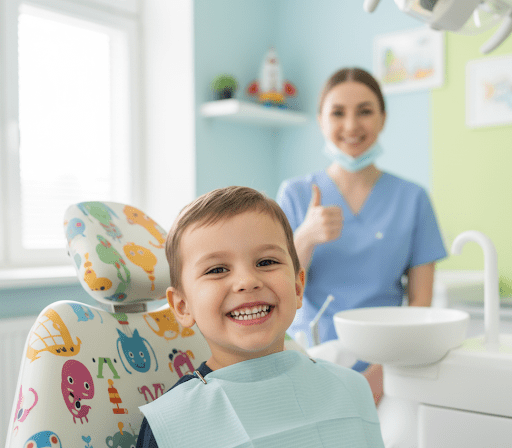
- Child-friendly environment – Bright, welcoming offices designed to reduce stress
- Behavior management techniques – Gentle guidance to keep children relaxed
- Sedation dentistry – Safe options for anxious or special-needs patients
- Educational approach – Explaining procedures in kid-friendly language
By making dental visits enjoyable and stress-free, children are more likely to cooperate and develop lifelong positive oral health habits.
Tips for Maintaining a Healthy Smile After Treatment
After cosmetic dental treatments, proper care is essential to ensure long-lasting results. Parents can help children maintain healthy teeth by following these tips:
- Brush twice daily – Use fluoride toothpaste and a soft-bristled toothbrush
- Floss daily – Encourage proper flossing techniques to remove plaque between teeth
- Regular dental check-ups – Every six months for preventive care
- Avoid hard foods – Reduce the risk of chipping newly repaired teeth
- Wear protective gear – Use mouthguards during sports to prevent injuries
- Healthy diet – Limit sugary snacks and drinks to reduce the risk of cavities
Consistent care after treatment ensures that both natural and cosmetic dental work remain strong and effective.
When to Seek Pediatric Cosmetic Dentistry
Parents should consider a consultation with a pediatric dentist if their child has:
- Chipped, cracked, or broken teeth
- Misaligned, crowded, or crooked teeth
- Difficulty chewing or biting
- Self-consciousness about their smile
- Early signs of cavities or decay affecting tooth structure
Early evaluation allows the dentist to create a personalized treatment plan, which may include cosmetic, restorative, and preventive solutions.
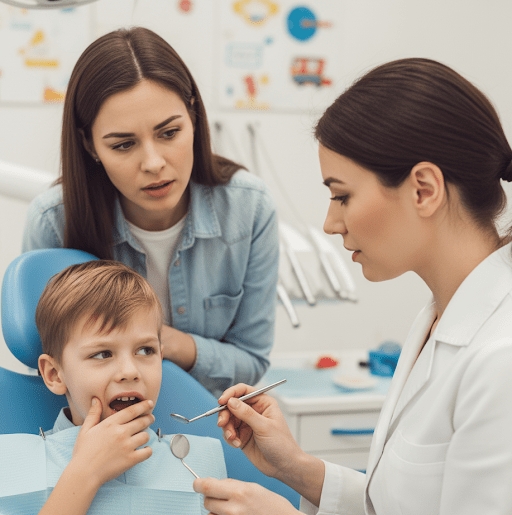
Chipped and crooked teeth are common in children, but they don’t have to affect confidence or oral health. With pediatric cosmetic dentistry, children can receive treatments tailored to their needs, restoring function, appearance, and self-esteem.
From dental bonding and crowns to orthodontics and veneers, the right treatment depends on the severity of the dental issue and your child’s age. By combining cosmetic solutions with preventive care, children can enjoy a smile that’s not only beautiful but healthy.
If your child has a chipped, crooked, or otherwise imperfect tooth, scheduling a consultation with the best pediatric dentist houston is the first step toward a confident smile. Early intervention ensures that minor issues don’t turn into major dental problems, providing your child with the care they need to shine both in health and confidence.
Book a consultation today to start your child’s journey toward a healthier, brighter smile.
FAQs About Pediatric Cosmetic Dentistry
1. What is pediatric cosmetic dentistry?
Pediatric cosmetic dentistry involves treatments specifically designed for children to repair or enhance their teeth. It addresses issues like chipped, broken, or crooked teeth while supporting oral health and boosting self-confidence.
2. Is pediatric cosmetic dentistry safe for children?
Yes. All procedures are designed for young patients, often minimally invasive, and performed under child-friendly conditions. Dentists also use behavior management or sedation techniques for anxious children.
3. At what age can children receive cosmetic dental treatments?
Dental bonding and crowns: Can be done as soon as teeth are damaged.
Orthodontics: Typically starts around ages 7–12, depending on growth and tooth development.
Veneers: Usually for older children or teenagers with fully developed permanent teeth.
4. Are cosmetic dental treatments permanent for children?
Some treatments, like crowns and veneers, are long-lasting but may need replacement as children grow. Preventive care and good oral hygiene help maintain results over time.
5. Does pediatric cosmetic dentistry also prevent future dental problems?
Yes. By correcting chips, misalignment, or damaged teeth early, cosmetic dentistry can prevent bite issues, jaw pain, TMJ problems, and further wear or decay.