

Braces for Kids: What Houston Parents Need to Know
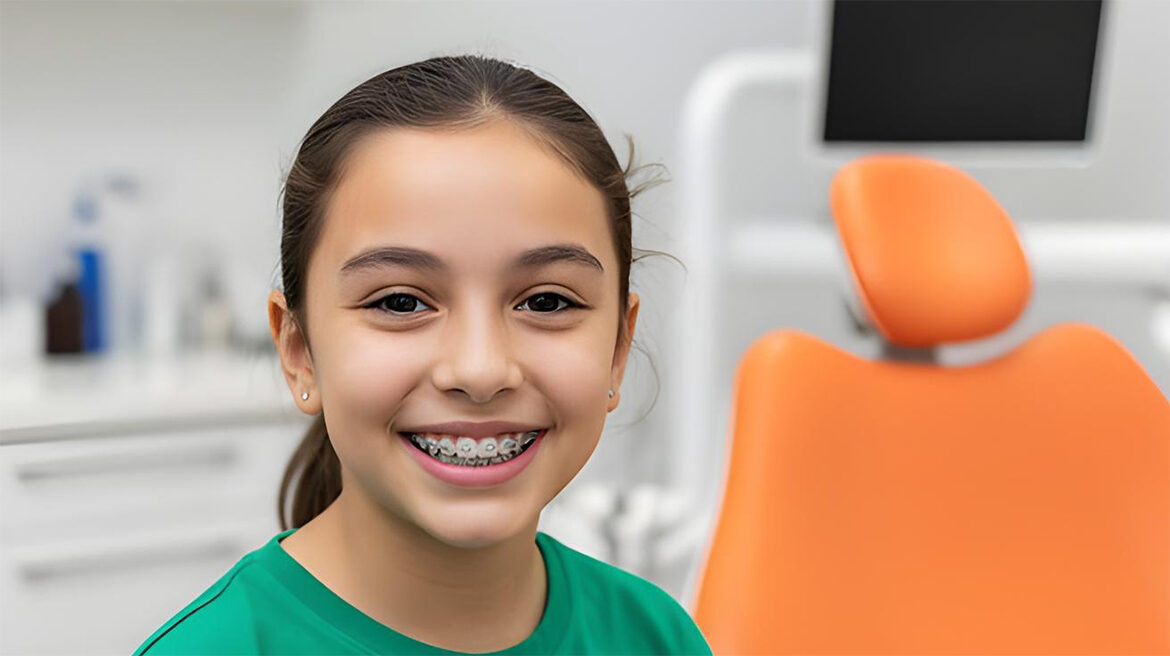
Taking care of your child’s teeth goes beyond regular check-ups; orthodontic care in Houston plays an important role in keeping their smile healthy and straight. Many parents wonder when the right time is to start braces, what options are available, and how to make the whole process as smooth as possible for their child. Knowing the basics about kids’ braces, how they work, and what to expect can help you make confident decisions and set your child on the path to a lifetime of healthy teeth and a bright smile
Why Braces Are Important for Kids
Braces are more than just a cosmetic solution. They help:
- Correct misaligned teeth: Crooked teeth can affect chewing, speaking, and oral hygiene.
- Improve bite alignment: Overbite, underbite, and crossbite can lead to jaw problems if untreated.
- Prevent dental issues: Proper alignment reduces the risk of cavities, gum disease, and tooth wear.
- Boost self-confidence: A straight, healthy smile enhances your child’s self-esteem.
Early orthodontic intervention can often prevent more complex problems later, making treatment simpler and sometimes shorter.
The Right Age for Kids to Get Braces
Most orthodontists recommend that children have their first orthodontic evaluation around age 7. At this stage:
- Permanent teeth are beginning to erupt.
- Jaw growth can be monitored for bite problems.
- Early intervention is possible for severe misalignments or crowding.
However, the actual braces treatment usually starts between ages 9 and 14, when most permanent teeth are in place. Early evaluation does not always mean immediate treatment, but it helps plan the best time for braces.
Types of Braces for Kids
Houston parents have multiple options for their children, depending on dental needs and lifestyle preferences.
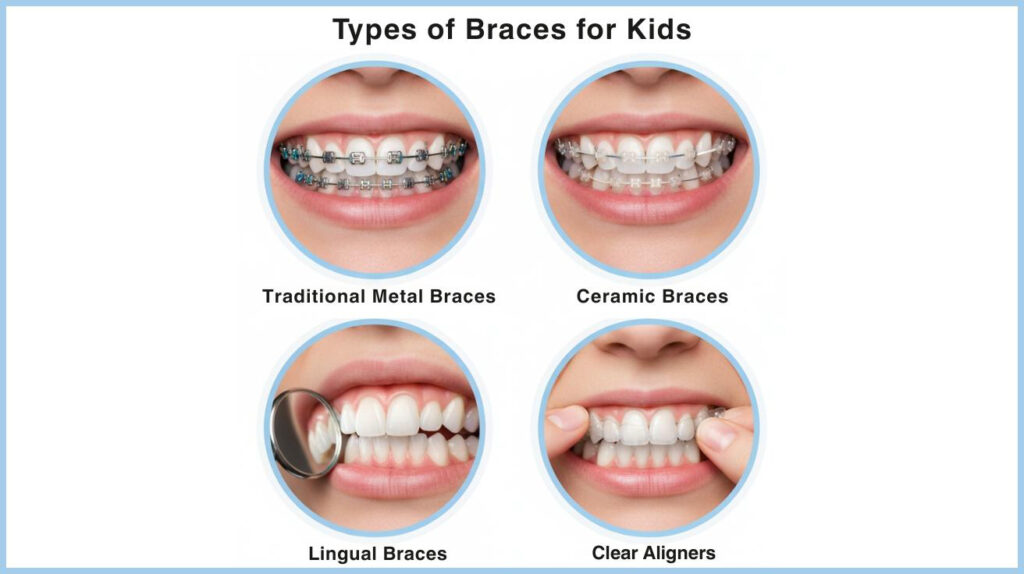
Traditional Metal Braces
- The most common type of braces for children.
- Made of stainless steel brackets and wires.
- Highly effective for correcting severe alignment issues.
- Customizable with colorful elastic bands, making it fun for kids.
Pros: Durable, cost-effective, highly effective.
Cons: More noticeable, may cause minor discomfort initially.
Ceramic Braces
- Similar to metal braces, but use tooth-colored or clear brackets.
- Blend more naturally with teeth for a subtle appearance.
Pros: Less visible than metal, effective for complex cases.
Cons: Slightly more expensive, brackets may stain if not cared for.
Clear Aligners
- Removable, clear plastic trays that gradually move teeth.
- Suitable for older kids and teens with mild to moderate alignment issues.
Pros: Nearly invisible, removable for eating and cleaning, comfortable.
Cons: Requires discipline to wear 20–22 hours per day, not suitable for severe cases.
Lingual Braces
- Placed behind the teeth, making them invisible from the front.
- Less common for younger children due to complexity and cost.
Pros: Completely hidden, effective for alignment.
Cons: Can be uncomfortable, harder to clean, and higher cost.
The Braces Process: What to Expect
Understanding the treatment journey helps parents and children prepare for the process.
Initial Consultation
- The orthodontist examines teeth, jaw, and bite.
- X-rays, photos, and impressions may be taken.
- A treatment plan is created, including the type of braces, duration, and estimated cost.
Placement of Braces
- For metal or ceramic braces, brackets are attached to teeth, and wires are threaded.
- Adjustments are usually made every 4–6 weeks.
- For Invisalign, custom trays are made, and children change trays every 1–2 weeks as prescribed.
Regular Adjustments
- Adjustments tighten wires or change aligners to gradually move teeth.
- Minor discomfort is normal after adjustments but typically lasts 1–2 days.
- Parents should monitor oral hygiene and encourage proper care.
Duration of Treatment
- Most kids wear braces for 18–30 months, depending on severity.
- Early intervention can sometimes reduce treatment time.
- After braces, children usually need retainers to maintain alignment.
Caring for Braces: Tips for Houston Parents
Good care ensures effective treatment and avoids complications.
Oral Hygiene
- Brush teeth after every meal with a soft-bristle toothbrush.
- Use fluoride toothpaste to protect against cavities.
- Floss daily, using special flossers or threaders for braces.
Diet Considerations
Avoid foods that can damage braces:
- Sticky candies (caramel, taffy)
- Hard foods (nuts, popcorn, ice)
- Sugary drinks (soda, sports drinks)
Encourage a balanced diet with fruits, vegetables, dairy, and lean proteins to support oral and overall health.
Managing Discomfort
- Mild discomfort is normal after adjustments.
- Give over-the-counter pain relief if necessary (as recommended by the orthodontist).
- Orthodontic wax can protect gums and lips from irritation caused by brackets.
Emergency Situations
- Broken bracket or wire
- Loose bands or aligners
- Severe pain or mouth injury
Houston parents should contact the orthodontist immediately for guidance. Many clinics offer emergency appointments to handle urgent issues.
Benefits of Early Orthodontic Intervention
- Prevents severe alignment or bite problems.
- Can reduce treatment time and complexity.
- Improves oral hygiene as teeth are easier to clean.
- Builds confidence and encourages a positive attitude towards dental care.
How to Choose the Right Orthodontist in Houston
Choosing the right orthodontist ensures safe and effective treatment. Consider:
- Experience in pediatric orthodontics
- Positive reviews and testimonials
- Friendly office environment for kids
- Flexible payment options
- Location and accessibility for easy follow-up visits
Frequently Asked Questions
1. At what age should my child see an orthodontist?
Most children should have their first orthodontic evaluation around age 7 to identify early bite or alignment issues and plan timely treatment.
2. Does an early orthodontic evaluation mean my child will need braces right away?
Not always. Early evaluations help monitor growth and determine the best time for treatment, which may begin later when more permanent teeth have erupted.
3. How long do kids usually need to wear braces?
Most children wear braces for 18 to 30 months, depending on the severity of alignment or bite problems and how well they follow care instructions.
4. What type of braces are best for children?
The best option depends on your child’s dental needs, age, and lifestyle. Traditional metal braces are most common, while ceramic braces and clear aligners may suit older kids.
5. Are braces painful for kids?
Mild discomfort is common after placement or adjustments, but it typically lasts only a day or two and can be managed with orthodontic wax or over-the-counter pain relief.
Braces for kids are a critical step in maintaining dental health and building confidence. Houston parents have a variety of treatment options, from traditional metal braces to clear aligners, depending on their child’s age, dental needs, and lifestyle.
By starting early, choosing the right orthodontist, and teaching good oral hygiene habits, parents can ensure a smooth and successful braces journey. Investing in your child’s smile today not only prevents future dental problems but also provides a lasting boost in confidence, something every parent wants for their child. If you’re a Houston parent considering braces for your child, schedule a consultation at Kidzone Dental today. Our experienced pediatric orthodontists provide gentle, effective care tailored to your child’s needs.