


Comfort Meets Confidence: How Today’s Braces Are Designed with Kids in Mind
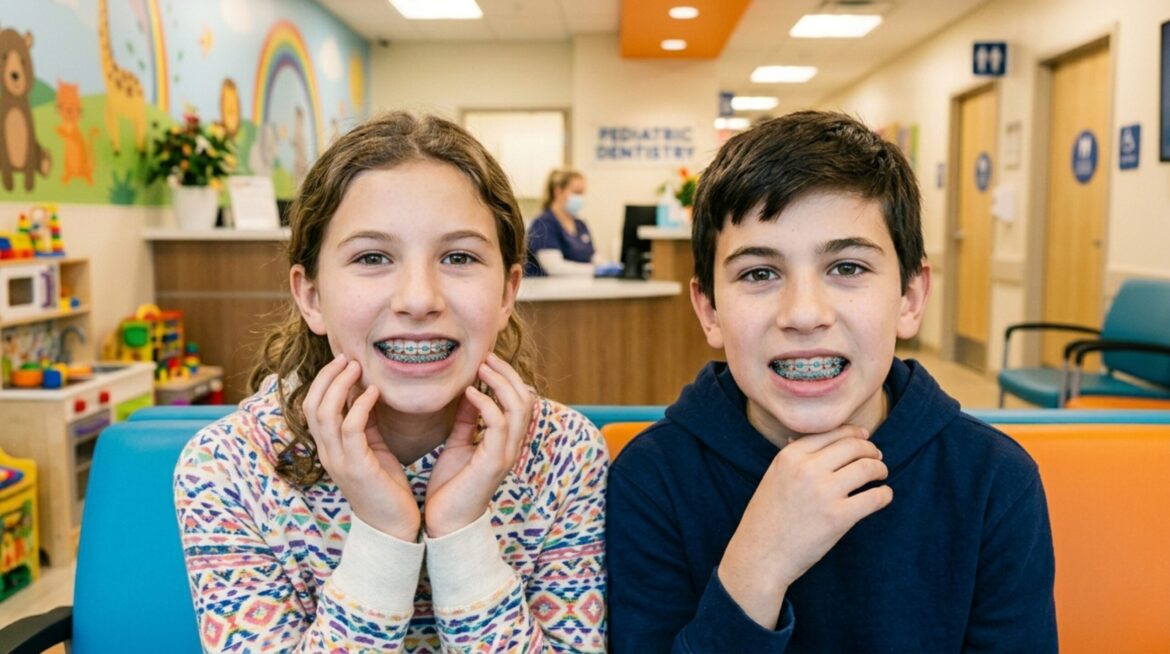
Getting braces used to be something kids dreaded: metal wires, discomfort, and awkward smiles. But times have changed. Today’s orthodontic solutions are thoughtfully designed to prioritize comfort, confidence, and convenience. Modern Braces for kids are not just about straightening teeth; they’re about creating a positive experience that encourages kids to embrace their smile journey.
From sleek designs to customized treatments, parents searching for a pediatric dentist now have access to advanced options that make orthodontic care easier than ever.
Why Modern Braces Are a Game-Changer for Kids
Orthodontic care has evolved significantly over the years. Today’s braces focus on:
- Comfort and reduced irritation
- Aesthetic appeal
- Faster and more efficient results
- Personalized treatment plans
This shift means kids can go through treatment with minimal disruption to their daily lives and with far more confidence.
Types of Kid-Friendly Braces: Ceramic, Lingual, Mini & More
One of the biggest improvements in orthodontics is the variety of choices available. Parents no longer have to settle for bulky metal braces. Instead, they can choose options that best suit their child’s needs and personality.
1. Ceramic Braces
Ceramic braces are a popular alternative to traditional metal braces. They use tooth-colored or clear brackets that blend in with natural teeth, making them less noticeable.
Why parents love them:
- More discreet appearance
- Effective for moderate to complex cases
- Boosts confidence in social settings
2. Lingual Braces
Unlike traditional braces, lingual braces are placed on the back of the teeth, making them virtually invisible from the front.
Benefits include:
- Completely hidden from view
- Ideal for older kids and teens concerned about appearance
- Customized to fit each tooth
3. Mini Braces
Mini braces are smaller, lighter, and more comfortable than traditional braces. They use smaller brackets that reduce pressure on teeth.
Advantages:
- Less irritation to gums and cheeks
- Faster adjustments
- Easier to clean
4. Traditional Metal Braces (Now Improved)
Even traditional braces have come a long way. They are now lighter, smoother, and more efficient than before.
Kid-friendly features:
- Colorful bands for personalization
- Strong and reliable for complex cases
- More comfortable than older versions
Comfort First: How New Braces Reduce Pain and Irritation
One of the biggest concerns parents have is pain. Fortunately, modern orthodontics has addressed this issue with innovative solutions.
Advanced Materials
Today’s braces use heat-activated wires that apply gentle, consistent pressure. This reduces the discomfort often associated with tightening.
Smooth and Smaller Designs
Smaller brackets and smoother edges minimize irritation inside the mouth. Kids can talk, eat, and smile more comfortably.
Fewer Adjustments
New technologies mean fewer visits to the orthodontist, which is a relief for both parents and kids.
Custom-Fit Braces: Personalized Care for Growing Teeth
Every child’s smile is unique, and modern orthodontic care reflects that. When you visit a pediatric dentist, you’ll notice a strong focus on personalization.
Digital Scans and Imaging
Gone are the days of messy impressions. Advanced 3D imaging allows dentists to create precise treatment plans tailored to your child’s teeth.
Growth Monitoring
Children’s teeth and jaws are constantly developing. Orthodontists carefully monitor growth to adjust treatment as needed, ensuring the best results.
Tailored Treatment Plans
Whether your child needs ceramic braces, lingual braces, or mini braces, the plan is customized to deliver effective and comfortable outcomes.
What to Expect During the Braces Treatment Journey
Understanding the process can help ease anxiety for both parents and kids.
Step 1: Initial Consultation
The dentist evaluates your child’s teeth, bite, and jaw alignment. This is also the time to discuss options like braces for kids and choose the best type.
Step 2: Placement of Braces
The braces are carefully attached to the teeth. This process is painless and usually takes about 1-2 hours.
Step 3: Regular Adjustments
Follow-up visits are scheduled every few weeks to monitor progress and make minor adjustments.
Step 4: Monitoring Progress
Dentists track how the teeth are moving and ensure everything is on schedule.
Step 5: Braces Removal
Once the desired results are achieved, the braces are removed, revealing a beautifully aligned smile.
Post-Braces Care: Retainers and Long-Term Smile Protection
The journey doesn’t end when braces come off. Maintaining that perfect smile is just as important.
Why Retainers Matter
Teeth naturally tend to shift back to their original position. Retainers help keep them in place.
Types of Retainers
- Fixed retainers (permanently attached)
- Removable retainers (easy to clean and wear)
Long-Term Care Tips
- Encourage regular brushing and flossing
- Schedule routine dental checkups
- Follow the dentist’s instructions for retainer use
By staying consistent, your child can enjoy a confident smile for years to come.
Building Confidence Along the Way
Modern orthodontics isn’t just about straight teeth; it’s about building self-esteem. With discreet and comfortable options like mini braces, ceramic braces, and lingual braces, kids no longer feel self-conscious about their treatment.
Instead, they feel empowered, knowing they’re taking steps toward a healthier, more confident smile.
Choosing the Right Pediatric Dentist
Finding the right provider is crucial. When searching for a pediatric dentist, or
- Experience in children’s orthodontics
- A friendly, welcoming environment
- Access to modern technology
- Positive reviews from other parents
A trusted dentist ensures your child feels safe, comfortable, and supported throughout the process.
Orthodontic care has made significant progress. Today’s Braces for kids are designed to make the journey as smooth and comfortable as possible. With options like Ceramic Braces, Lingual Braces, and Mini Braces, kids can achieve a healthy, beautiful smile without sacrificing confidence.
If you’re considering braces for your child, now is the perfect time to explore modern solutions. With the right care and guidance, your child’s smile journey can truly be a positive and empowering experience.
Frequently Asked Questions (FAQs)
1. At what age should my child get braces?
Most children are evaluated by age 7, but treatment typically begins between ages 9 and 14, depending on their needs.
2. Are modern braces less painful?
Yes, today’s braces are designed with comfort in mind, using advanced materials and smaller brackets to reduce discomfort.
3. How long does treatment usually take?
Treatment time varies but generally ranges from 12 to 24 months.
4. Can my child play sports with braces?
Absolutely. Wearing a mouthguard can help protect their teeth and braces during physical activities.
5. What foods should be avoided with braces?
Sticky, hard, and sugary foods should be limited to prevent damage and maintain oral health.
Looking for a trusted solution for Braces for kids that prioritizes comfort and confidence?
Book your child’s appointment today with a caring expert and start their journey to a brighter, healthier smile!