


Common Pediatric Dental Emergencies and How Dentists Treat Them
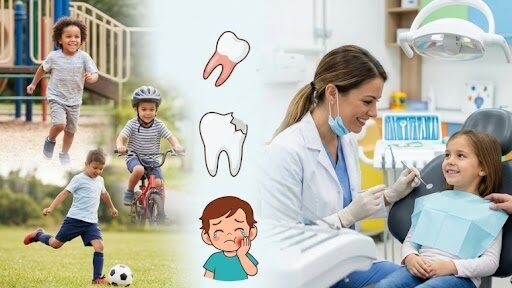
Children are naturally active, curious, and always on the move. Whether they are playing sports, riding bikes, or simply running around the playground, accidents can happen. Sometimes those accidents involve their teeth. When a dental injury or severe tooth pain occurs, parents often feel worried and unsure about what to do next.
Understanding common pediatric dental emergencies and how dentists treat them can help parents act quickly and confidently. Prompt treatment not only relieves pain but also helps prevent long-term oral health problems. Visiting an experienced provider for emergency dental care ensures your child receives the right treatment at the right time.
In this guide, we will discuss the most common dental emergencies in children, how an emergency dentist treats them, and when parents should seek immediate dental care.
What Is Considered a Pediatric Dental Emergency?
A pediatric dental emergency refers to any dental issue that requires immediate attention to relieve pain, stop bleeding, prevent infection, or save a tooth.
Some dental issues may seem minor at first but can quickly worsen without treatment. This is why pediatric dentists encourage parents to contact a professional as soon as they notice symptoms.
Common signs your child may need emergency dental care include:
- Severe tooth pain
- A knocked-out or loose tooth
- A chipped or broken tooth
- Swelling in the gums or face
- Bleeding that does not stop
- Signs of infection or abscess
Most Common Pediatric Dental Emergencies
Children can experience several types of dental emergencies. Understanding these situations can help parents respond quickly and appropriately.
Knocked-Out Tooth (Dental Avulsion)
One of the most alarming dental emergencies for parents is when a child’s tooth gets completely knocked out. This often happens during sports activities, playground accidents, or falls.
How Dentists Treat It
If the knocked-out tooth is a permanent tooth, an emergency dentist may be able to reinsert it if treatment happens quickly.
Dentists typically:
- Carefully clean and reposition the tooth
- Stabilize it with a dental splint
- Monitor the tooth during follow-up visits
If the tooth cannot be saved, the dentist will discuss future restorative options.
For baby teeth, dentists usually do not reinsert them because doing so could damage the developing permanent tooth.
Broken or Chipped Tooth
A chipped or fractured tooth is another common dental emergency in children. This can occur after biting something hard, falling, or experiencing trauma during sports.
How Dentists Treat It
The treatment depends on the severity of the damage.
- Dental bonding to repair small chips
- Tooth-colored fillings
- Pediatric dental crowns for larger fractures
- Root canal treatment in severe cases
Prompt treatment helps protect the tooth from infection and further damage.
Severe Toothache
Toothaches are one of the most common reasons parents seek emergency dental care for children. Pain may be caused by tooth decay, infection, food trapped between teeth, or gum inflammation.
How Dentists Treat It
During the visit, the dentist will identify the source of the pain through an examination and possibly dental X-rays.
Depending on the cause, treatment may include:
- Removing trapped debris
- Treating cavities with fillings
- Prescribing medication for infection
- Performing a pulpotomy or root canal for severe decay
Addressing the problem early helps prevent worsening pain and complications.
Dental Abscess or Infection
A dental abscess is a serious infection that occurs around the tooth root or in the gums. It can cause significant pain and swelling and should be treated immediately.
Symptoms may include:
- Swollen gums or face
- Severe tooth pain
- Fever
- Sensitivity to hot or cold
- A small pimple-like bump on the gums
How Dentists Treat It
An experienced emergency dentist will focus on removing the infection and relieving discomfort.
Treatment may involve:
- Draining the abscess
- Prescribing antibiotics
- Performing pulp therapy or root canal treatment
- In some cases, removing the affected tooth
Prompt care prevents the infection from spreading to other parts of the body.
Loose Tooth Due to Injury
Children naturally lose baby teeth as they grow, but a loose tooth caused by trauma is different. Injuries can cause teeth to shift, loosen, or become partially dislodged.
How Dentists Treat It
Treatment options may include:
- Stabilizing the tooth
- Monitoring the tooth over time
- Treating damage to surrounding gums or bone
Early evaluation helps ensure the permanent tooth develops properly.
Soft Tissue Injuries (Lips, Tongue, and Gums)
Dental emergencies are not limited to teeth. Children can also injure the soft tissues of the mouth during accidents.
These injuries may include cuts or lacerations to the lips, tongue, cheeks, or gums.
How Dentists Treat It
A dentist providing emergency dental care will clean the wound, control bleeding, and determine whether stitches are necessary.
In some cases, additional dental treatment may be required if teeth were also affected during the injury.
What Parents Should Do During a Dental Emergency
Knowing how to respond during a dental emergency can make a significant difference in the outcome.
Here are some helpful tips for parents:
- Stay calm and reassure your child
- Rinse the mouth gently with warm water
- Apply a cold compress to reduce swelling
- Save any broken tooth fragments if possible
- Contact an emergency dentist Missouri City TX immediately
Quick action often helps dentists save damaged teeth and reduce complications.
Why Immediate Emergency Dental Care Is Important
Delaying treatment during a dental emergency can lead to serious oral health problems.
Seeking prompt emergency dental care helps:
- Relieve pain quickly
- Prevent infection from spreading
- Save damaged teeth
- Protect surrounding teeth and tissues
- Reduce the need for more complex procedures later
Experienced pediatric dentists are trained to treat children gently and effectively during urgent dental situations.
Choosing the Right Emergency Dentist for Your Child
When a dental emergency occurs, parents want to know their child is in safe hands.
- Fast and compassionate care
- Child-friendly treatment approaches
- Accurate diagnosis and treatment planning
- Clear guidance for parents after the visit
Pediatric dental professionals have specialized training in treating infants, children, and teenagers, ensuring your child receives the most appropriate care during emergencies.
Dental emergencies can happen unexpectedly, especially when children are active and exploring the world around them. While these situations can be stressful for parents, understanding the most common pediatric dental emergencies can make it easier to respond quickly.
Whether your child experiences a knocked-out tooth, severe toothache, or dental injury, seeking prompt emergency dental care from an experienced emergency dentist Missouri City TX can help relieve pain and protect your child’s smile.
Early treatment not only addresses the immediate problem but also helps maintain healthy dental development for years to come.
Frequently Asked Questions (FAQs)
What should I do if my child knocks out a permanent tooth?
If a permanent tooth is knocked out, try to place it in milk or a tooth preservation solution and contact an emergency dentist immediately. Quick treatment increases the chances of saving the tooth.
How do I know if my child’s toothache is a dental emergency?
If your child has severe pain, swelling, fever, or difficulty eating or sleeping, it may require emergency dental care. A dentist should evaluate the issue as soon as possible.
Can baby teeth be treated during a dental emergency?
Yes. Even though baby teeth eventually fall out, they are important for speech, chewing, and guiding permanent teeth. An emergency dentist Missouri City TX can provide the appropriate treatment.
Should I take my child to the ER for a dental emergency?
Most dental emergencies should be treated by a dentist rather than the emergency room. However, if your child has severe facial swelling, difficulty breathing, or uncontrolled bleeding, seek immediate medical care.
How can parents prevent dental emergencies?
Parents can reduce the risk of dental injuries by encouraging children to wear mouthguards during sports, maintaining regular dental visits, and promoting good oral hygiene habits.