

Cavities in Kids: What Causes Them and How to Prevent Them
You brush their teeth. You limit the candy. And yet—at the next dental check-up—you hear the words no parent wants to: “Your child has a cavity.”
Dental cavities in children are surprisingly common, even in households with good oral hygiene routines. But that doesn’t mean they’re unavoidable. By understanding what causes cavities and how to stop them in their tracks, you can protect your child’s smile for the long haul.
Let’s explore the real reasons behind tooth decay in children and what you can do, starting today, for effective tooth decay prevention.
What Is a Cavity and Why Do Kids Get Them?
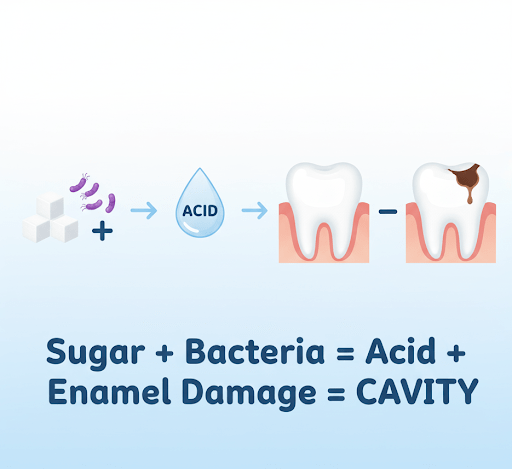
A cavity is a hole in the tooth enamel caused by acids that are produced when bacteria in the mouth break down sugars. If left untreated, cavities can lead to pain, infection, and even tooth loss.
Kids are especially vulnerable to cavities because:
- Their enamel is thinner and more delicate than that of adults.
- They often snack more frequently throughout the day.
- They may struggle with brushing or flossing effectively.
- Some children may not get enough fluoride to protect their teeth.
Dental cavities in children are often the result of a combination of poor oral hygiene, sugary diets, and inconsistent dental care.
Top Causes of Dental Cavities in Children
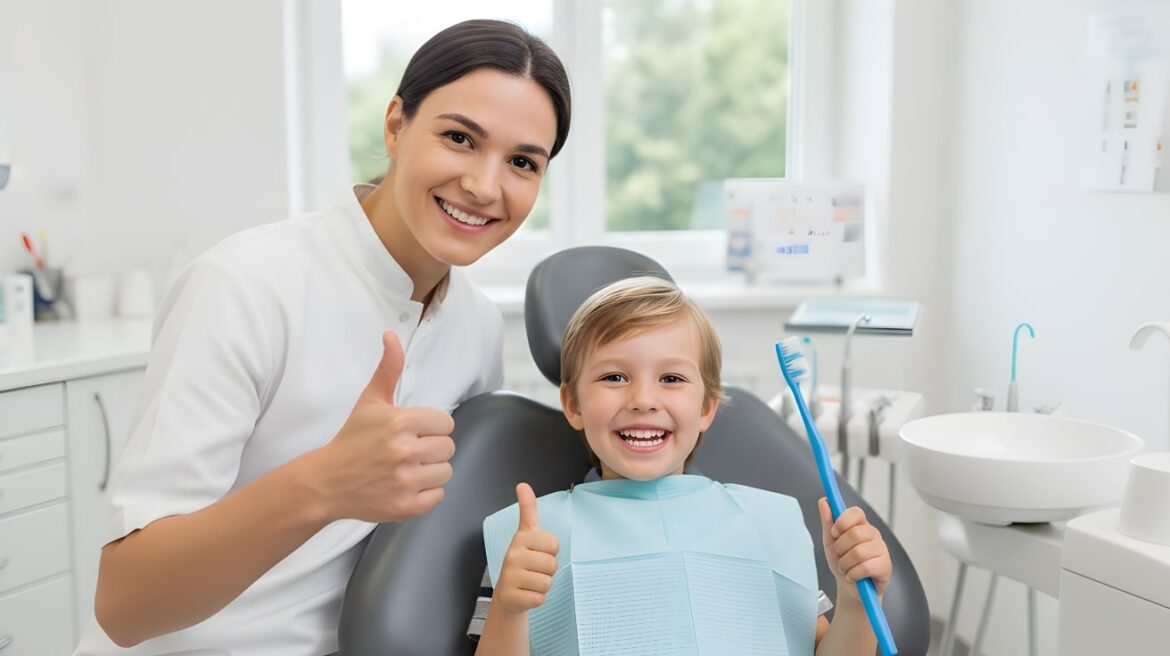
Preventive dentistry can make a huge difference. Maintaining proper hygiene, fluoride treatments, and checkups with a pediatric dentist help catch problems early and keep little teeth strong. Besides, dentists can show you and your child the best ways to care for their teeth at home.
How to Prevent Tooth Decay
1. Sugary Foods and Drinks
Frequent exposure to sugar, especially sticky snacks, juice, and soda, feeds cavity-causing bacteria. Even “healthy” options like fruit snacks or flavored yogurt can lead to decay if consumed too often.
2. Poor Brushing Habits
Many young children don’t have the dexterity to brush thoroughly. Plaque buildup is common, especially along the gum line and on molars.
3. Going to Bed Without Brushing
Letting kids fall asleep without brushing allows bacteria and sugars to sit on the teeth overnight, increasing the risk of cavities.
4. Lack of Fluoride
Fluoride helps strengthen enamel and prevent decay. Kids who don’t use fluoride toothpaste or who drink only bottled water may miss out on this important mineral.
5. Prolonged Bottle or Sippy Cup Use
Letting children fall asleep with a bottle of milk or juice, or using a sippy cup throughout the day, bathes their teeth in sugar for extended periods.
Tooth Decay Prevention: What Parents Can Do
Thankfully, tooth decay prevention in children doesn’t have to be complicated. Small daily habits make a big difference.
1. Establish a Brushing and Flossing Routine
- Brush twice a day with fluoride toothpaste. Children under 3 need just a rice-sized smear; older children can use a pea-sized amount.
- Begin flossing as soon as two teeth touch.
- Supervise brushing until your child can do it thoroughly, usually around age 7 or 8.
2. Limit Sugary Snacks and Drinks
- Offer water instead of juice or soda.
- Avoid sticky snacks like fruit roll-ups, raisins, or gummy vitamins.
- Serve sweets occasionally, and encourage brushing afterward.
3. Don’t Skip Bedtime Brushing
Nighttime brushing is crucial. Make it part of a calming routine, story, brush, and bed to help build consistency.
4. Use Fluoride Toothpaste and Water
Fluoride strengthens enamel and prevents early-stage decay. Be sure your child uses fluoride toothpaste and, if possible, drinks tap water that contains fluoride.
5. Visit the Dentist Every 6 Months
Regular dental checkups help catch cavities early, and sometimes prevent them altogether. Ask a pediatric dentist about fluoride treatments or sealants to add extra protection to your child’s molars.
Recognizing Early Signs of Cavities in Children
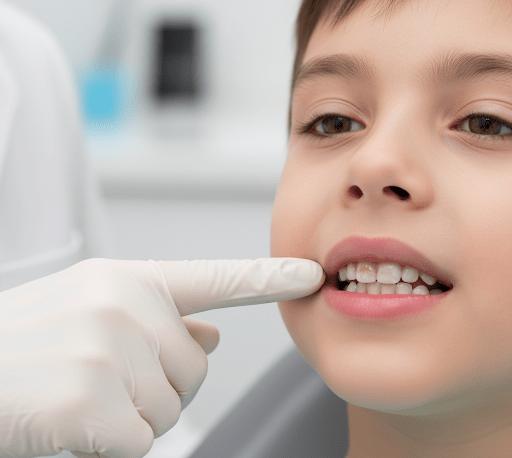
Some cavities show no symptoms until they’re advanced, but here are a few early signs to watch for:
- White spots or discoloration on teeth
- Complaints of tooth sensitivity or pain
- Avoiding hot, cold, or sweet foods
- Difficulty chewing on one side of the mouth
If your child shows any of these signs, schedule a dental visit promptly.
Are Baby Teeth Really That Important?
Absolutely. Even though baby teeth fall out eventually, they:
- Help your child chew and speak properly
- Hold space for the permanent teeth
- Protect against infection and pain
Treating dental cavities in children early helps prevent more serious issues later, like premature tooth loss, orthodontic problems, or infections that can spread.
Cavity-Free Smiles Start at Home
Cavities may be common, but they’re not inevitable. With smart daily habits and regular checkups, you can dramatically reduce your child’s risk of tooth decay.
Encourage good oral hygiene, be mindful of sugar, and partner with your dentist to stay proactive. Your child’s healthy, confident smile is worth it.
Need Help Preventing Cavities in Your Child?
Our dental team specializes in caring for young smiles. Whether you’re looking for tooth decay prevention tips or need treatment for dental cavities in children, we’re here to help gently and professionally.
Book your child’s dental check-up today and give them the gift of a healthy smile that lasts a lifetime.
Frequently Asked Questions
1. What causes cavities in children?
Cavities in children are caused by bacteria that produce acid when they feed on sugars from food and drinks. Poor brushing habits, frequent snacking, and lack of fluoride can also increase the risk of tooth decay.
2. Are baby teeth important if they fall out anyway?
Yes. Baby teeth help children chew, speak, and maintain space for their permanent teeth. Untreated decay in baby teeth can cause pain, infection, and future orthodontic problems.
3. How often should kids visit the dentist?
Children should see the dentist every six months for routine cleanings and checkups. Regular visits allow early detection of cavities and the opportunity for preventive treatments like fluoride or sealants.
4. Does fluoride really help prevent cavities?
Absolutely. Fluoride strengthens tooth enamel and helps reverse early signs of decay. Using fluoride toothpaste and drinking fluoridated tap water are simple ways to protect your child’s teeth.
5. At what age should kids start brushing their teeth?
You should start brushing as soon as your child’s first tooth appears. Use a soft-bristled brush with a tiny smear of fluoride toothpaste and supervise brushing until at least age 7 or 8.